
A daring U.S. capture of Venezuela’s leader is in the spotlight at the outset of the first full trading week of 2026. Analysts are attempting to wrap their heads around the implications of the incursion, which will see the U.S. assuming temporary control over the oil-rich Latin American nation. Investors are also preparing for the release of key employment figures, as the schedule of economic data looks set to return to normal following a prolonged U.S. government shutdown. Elsewhere, Nvidia CEO Jensen Huang is expected to speak at an event on the outlook for artificial intelligence this year, while the board of Warner Bros Discovery is reportedly seen rejecting a sweetened takeover offer from Paramount Skydance.
1. Oil dips following U.S. capture of Venezuela’s Maduro
Crude prices took a tumble on Monday after an audacious U.S. capture of Venezuelan President Nicolas Maduro raised the prospect of more supply coming from the major Latin American producer.
Brent oil futures for March fell 0.8% to $60.27 a barrel by 03:08 ET (08:08 GMT), while West Texas Intermediate crude futures dropped 0.9% to $56.82 a barrel.
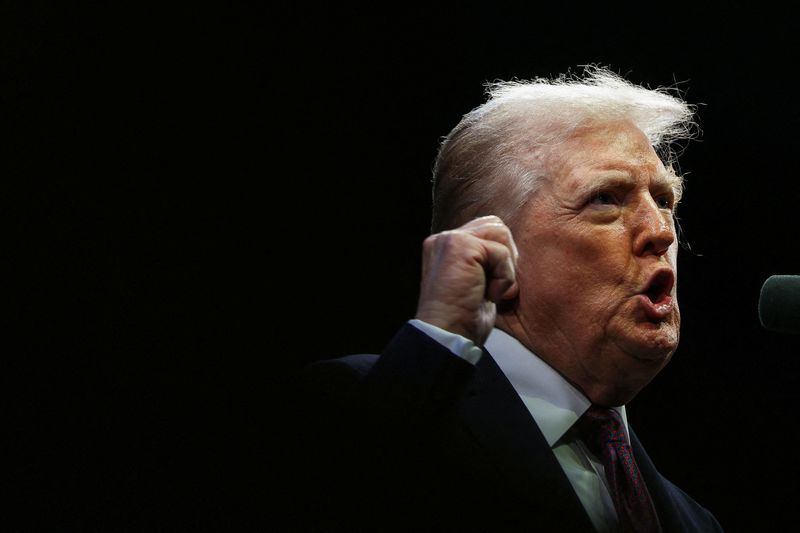
U.S. forces captured Maduro in a weekend strike, with the Venezuelan leader now set to face drug-trafficking charges in New York. President Donald Trump said that Washington will run Venezuela until a new leader is elected, and that as part of the incursion, major U.S. oil companies will be allowed to move into the country.
Shares of oil groups, Chevron, ExxonMobil, and ConocoPhillips, all surged in extended hours trading.
Venezuela has the largest proven oil reserves in the world. But output from the country has faltered due to aging infrastructure and strict U.S. sanctions.
In a note, Warren Patterson, Head of Commodities Strategy at ING said that statements from Venezuelan Vice President Delcy Rodriguez calling for the country and the U.S. to work together suggest that a "smooth transition" may be ahead despite the recent upheaval.
This would increase the likelihood that the U.S. will lift its blockade of sanctioned oil tankers entering and leaving Venezuela, putting possible short-term downward pressure on oil prices, Patterson argued.
However, a "messier transition" could put roughly 900,000 barrels per day of oil supply from Venezuela at risk, Patterson said. Some upside risk could be in play then, although this is likely to be limited in an already "well-supplied" market, Patterson added.
2. Employment data
Headlining the economic calendar this week is the upcoming release of U.S. employment data for December.
Economists expect the U.S. to have added some 57,000 roles during the final month of 2025, down from 64,000 in November. In October, a spate of government-related spending reductions triggered the sharpest decline in nonfarm payrolls in almost five years.
The cadence of monthly jobs figures is set to normalize after a prolonged, 43-day U.S. government shutdown led to the delay of these crucial reports. The previous batch of jobs data did not include an unemployment rate for October, marking the first gap in a series that stretches back to 1948.
Federal Reserve policymakers slashed interest rates at the conclusion of each of its last three gatherings in 2025, prioritizing worries over the health of a weakening labor market above signs of sticky inflationary pressures.
The outlook for lower rates has offered some support for stocks, although Fed officials appear to be divided over the path ahead for borrowing costs in 2026.
3. ISM manufacturing, services PMIs ahead
Elsewhere, closely-monitored trackers of U.S. manufacturing and services sector activity are due to be unveiled this week.
The Institute for Supply Management’s December manufacturing purchasing managers’ index -- set to be published on Monday -- is seen coming in at 48.3, edging up from 48.2 but still within the sub-50 contraction zone.
A gauge of prices paid by businesses in the segment, a metric of inflation, is also anticipated to climb slightly.
Wednesday’s ISM services PMI, on the other hand, is tipped to inch down marginally, yet remain in expansionary territory. The sector is key for the American economy, constituting more than two-thirds of overall U.S. activity.
4. Nvidia’s Huang to speak
Also on Monday, Nvidia Chief Executive Officer Jensen Huang is scheduled to deliver a keynote address ahead of the hotly-awaited CES tech trade show in Las Vegas.
Nvidia has become one of the figureheads of the surge in enthusiasm around artificial intelligence which has largely underpinned stocks in recent years, with the firm’s chips serving as lynchpins in the massive data centers powering AI models.
Any comments from Huang around the future of Nvidia’s processors, or indeed the larger AI industry as a whole, will be in focus as a result.
Lisa Su, head of Nvidia-rival Advanced Micro Devices, is also slated to speak at CES.
5. Warner Bros to reject Paramount’s latest bid this week - report
Meanwhile, the ongoing saga over the fate of Warner Bros Discovery is reportedly due to see yet another twist this week.
Media reports have said that the Hollywood stalwart is likely to reject a sweetened takeover bid from Paramount Skydance, even though Paramount’s $108.4 billion hostile bid came with a personal guarantee from billionaire Larry Ellison.
Citing a person familiar with the matter, Warner’s board has not yet made a final decision, but is expected to in the coming days. Paramount has said a tie-up with Warner -- which would create an entertainment juggernaut larger even than industry titan Disney -- would face fewer regulatory hurdles.
Should the board opt to dismiss Paramount’s offer, Warner would remain in position to pursue a competing $82.7 billion cash-and-stock deal with streaming giant Netflix.


 한국어
한국어
 Tiếng Việt
 中文
中文